Travel is always more than the destination itself. It’s about the people who draw you there — and, for me, the food that tells their story.
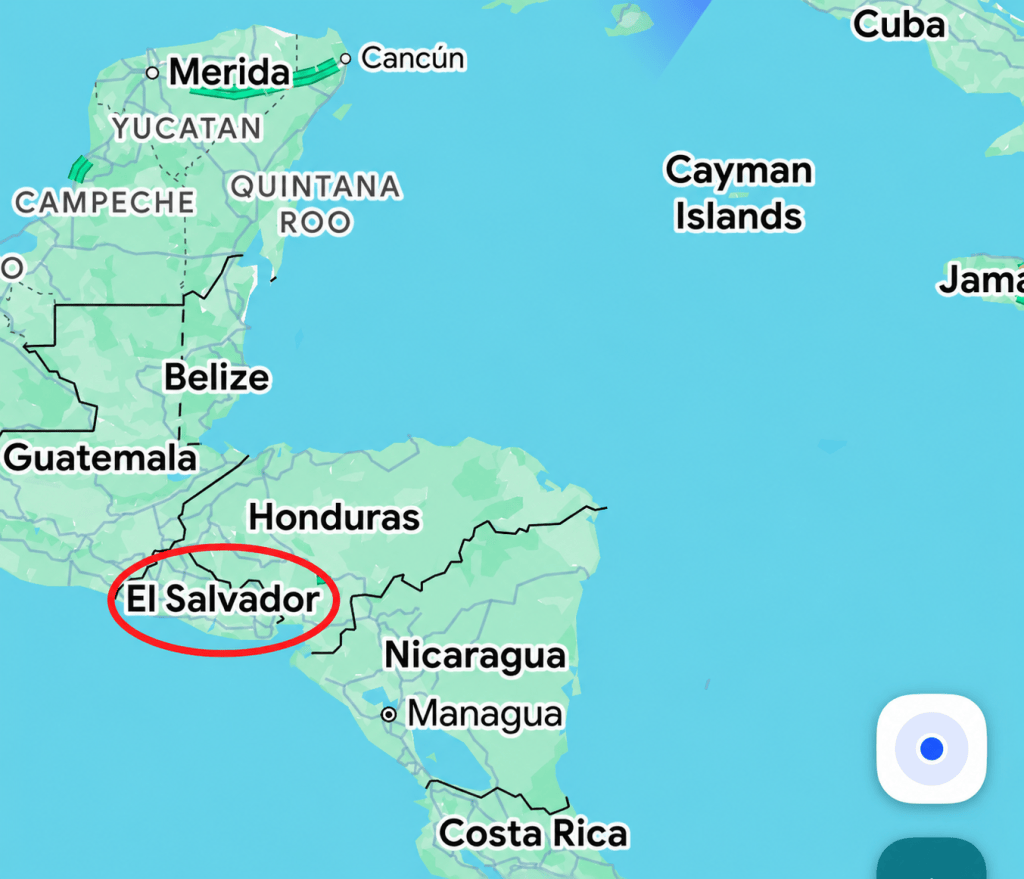
My recent trip to El Salvador was exactly that. My partner, Russ, and I traveled there to meet our three-month-old granddaughter, and what began as a family visit quickly became a memorable cultural experience.
Of course, the true star of the trip is a beautiful, grumpy little angel who immediately took control of the entire family. She has the lungs of an opera singer and a stare that suggests she is thoroughly unimpressed with the contorted faces the adults around her make in their attempts to get her to smile. Everyone has fallen under her spell, and this little thief of hearts is holding all hearts for ransom — except no one is interested in negotiating for their return.
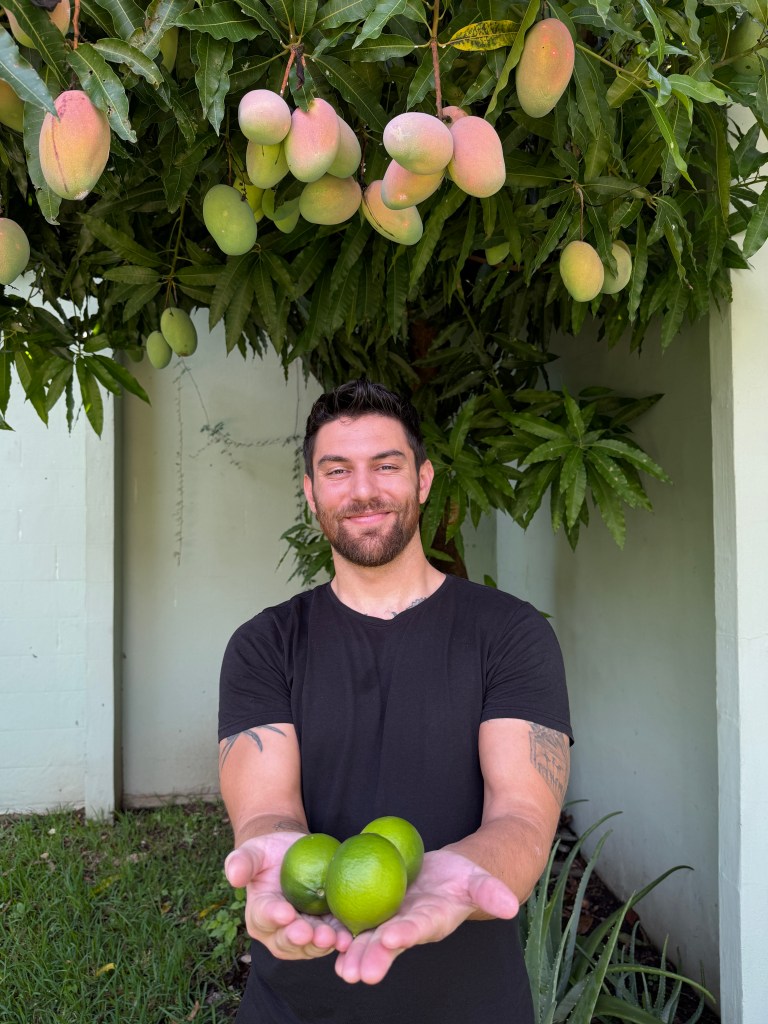
Another wonder of the trip was discovering lush, succulent ripe mangos and limes, fresh for the taking, growing in my stepson Max’s backyard, and all over El Salvador.
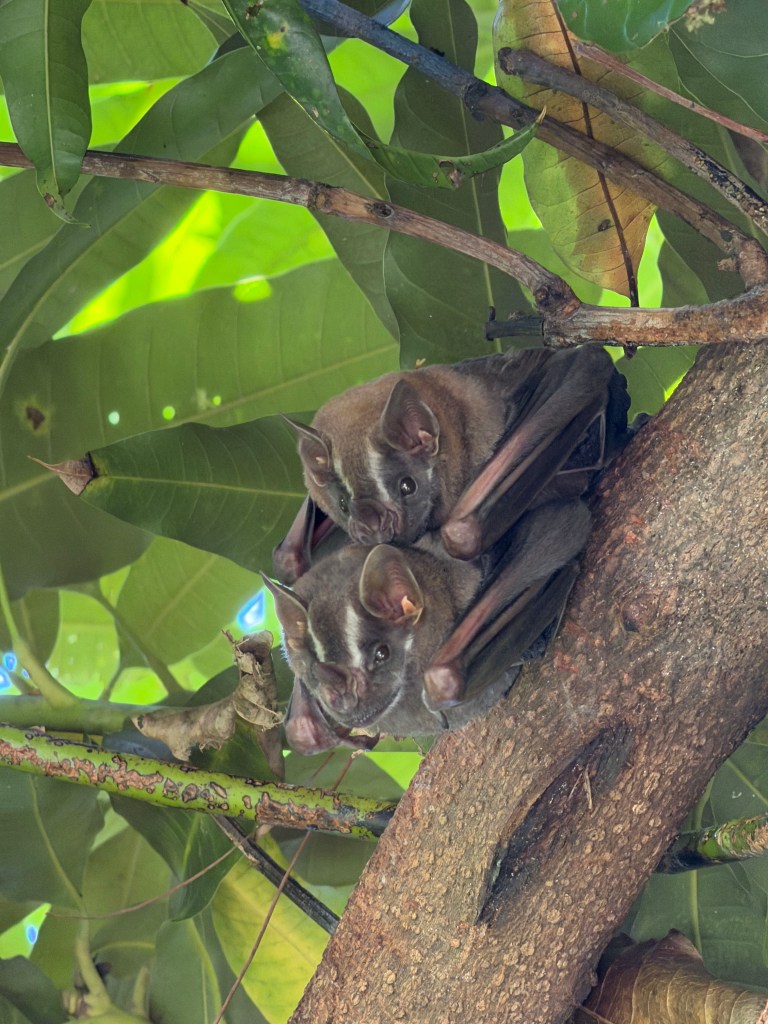
Fruit bats were guarding the tree, and in this instance, everyone was apparently on board with negotiating terms with these two shady little creatures for a taste of their mangoes. After a brief but intense stare-down, they seemed to agree to an arrangement. Cute as some might find these tree-dwellers, I couldn’t shake the feeling that I had wandered into the movie Constantine — the part where John descends into the depths of Hell in search of answers that could only be found there. Maybe hanging by their toes, with all that blood rushing to their brains, is what makes these fruit bats such shrewd negotiators. Clearly, I should consider spending a little more time upside down myself when negotiating my next freelance contract.
As a chef, I often experience a place through its kitchens and dining rooms. In El Salvador, I was reminded that the most authentic and meaningful meals happen around family dining tables. When you think about it, that makes perfect sense.
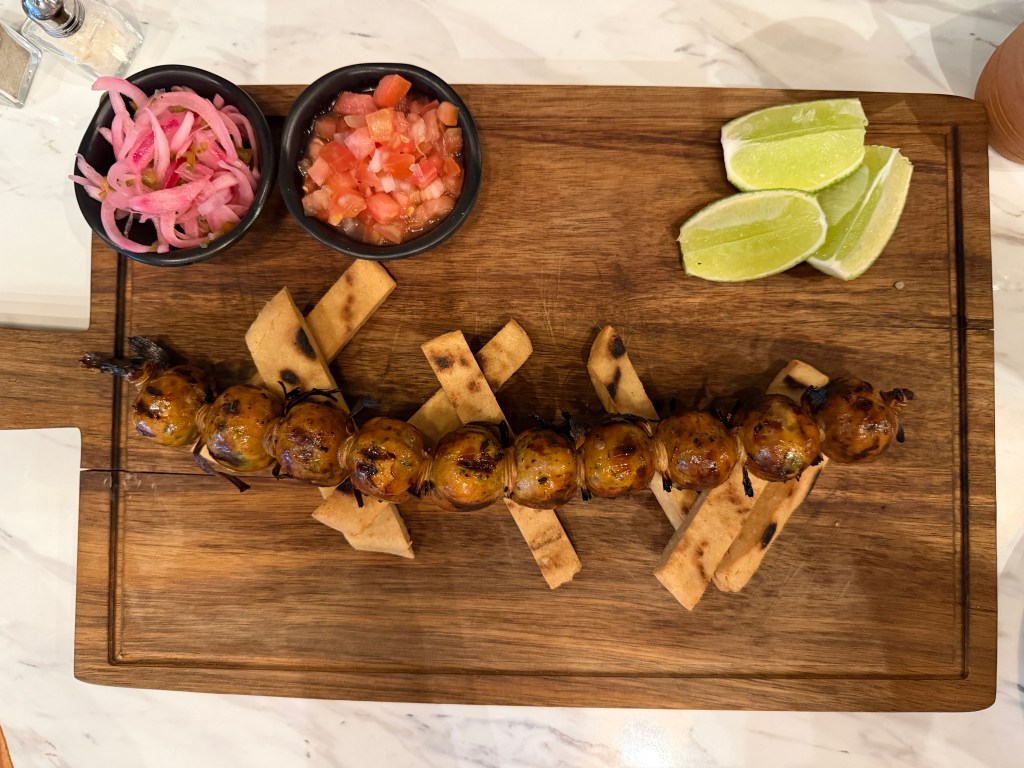
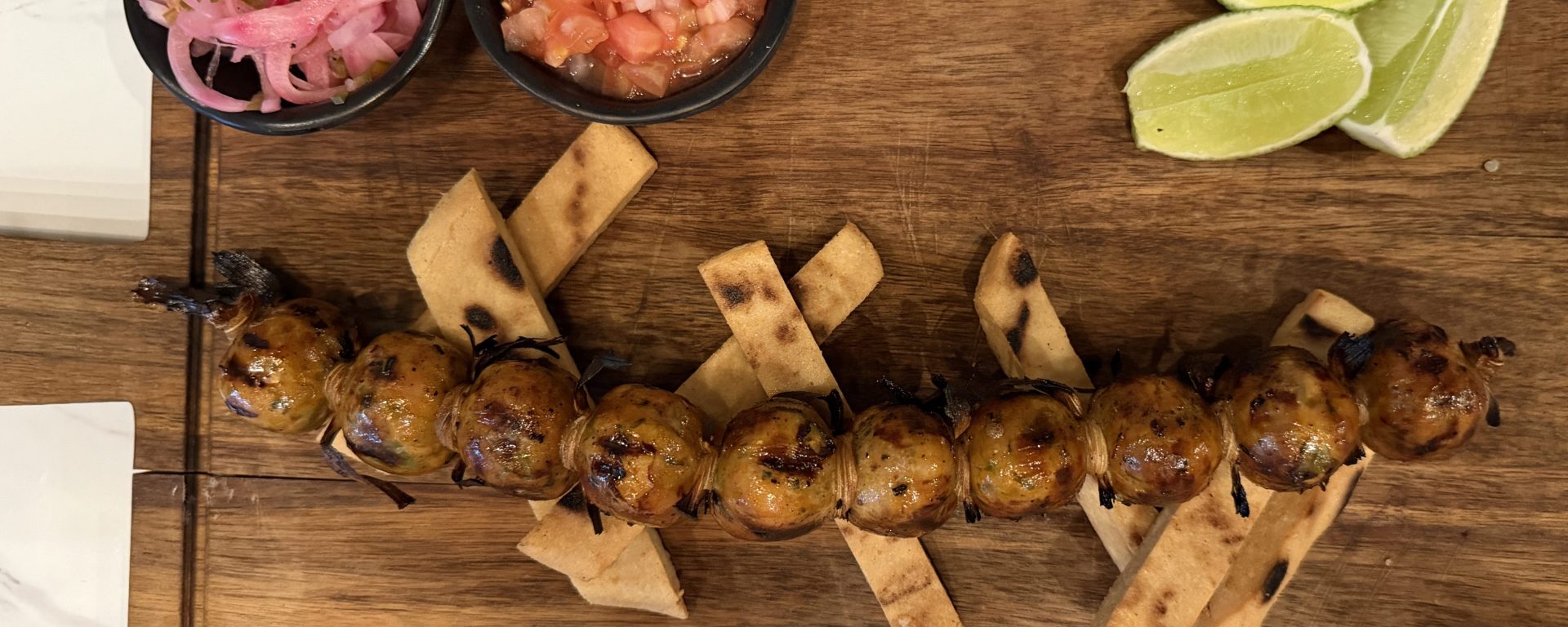
One evening, we gathered for a traditional carne asada meal. There was no fuss, no elaborate presentation — just simply seasoned grilled steak and chorizo, warm tortillas, and family members sharing stories, wine, and a wonderful meal. I’d forgotten just how delicious grilled fresh chorizo can be. The food editor in me needed the reminder that food doesn’t have to be about technique or complexity. Sometimes it’s about generosity, connection, and the pure joy of gathering around a family table.
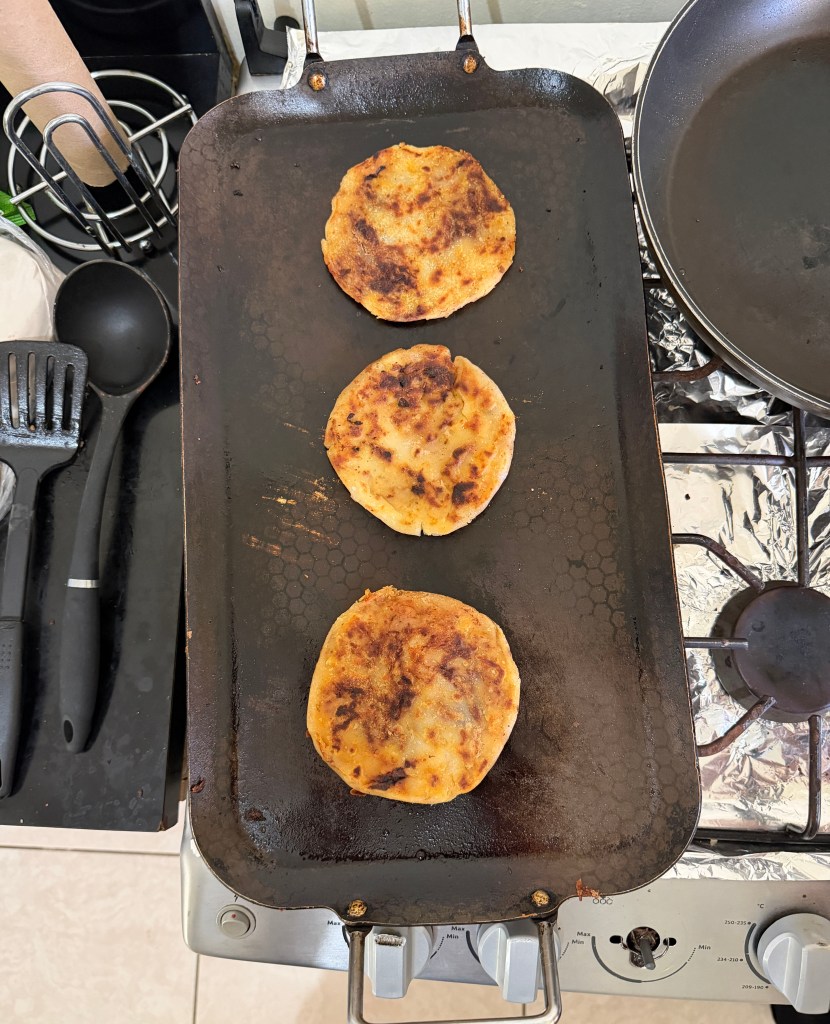
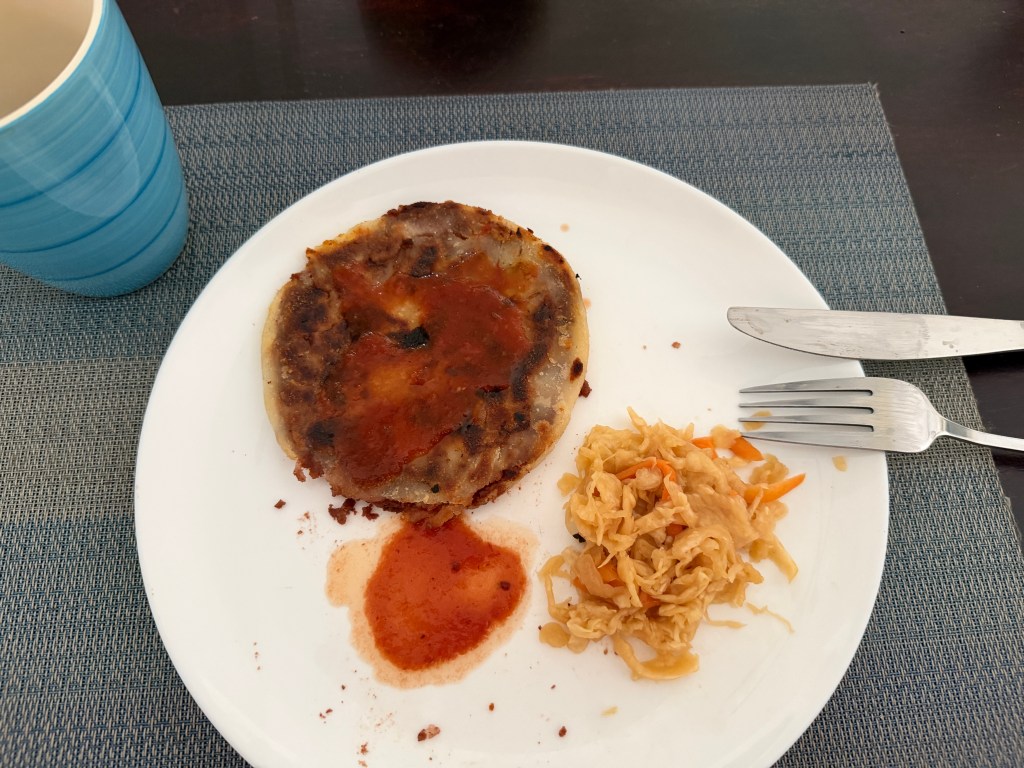
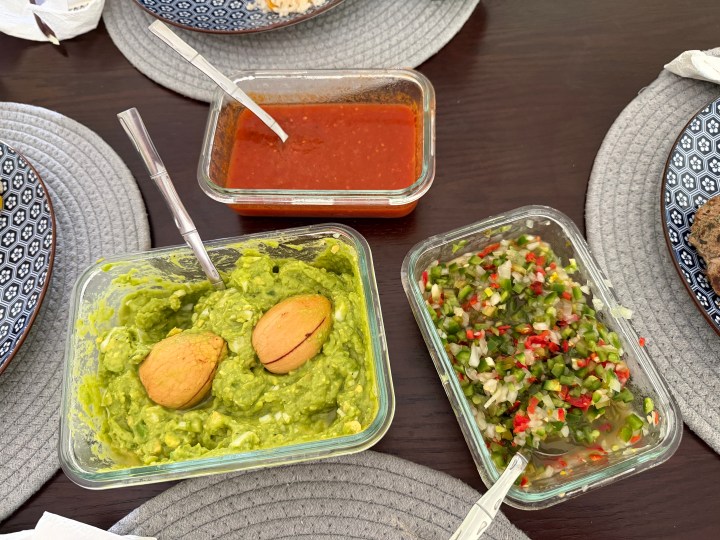
Breakfast was equally memorable. Freshly made pupusas arrived hot from the griddle, their crisp exteriors giving way to savory fillings of frijoles colados (strained beans) and cheese. They were served with a simple tomato sauce and traditional curtido — a pickled cabbage and carrot slaw that added brightness and crunch to every bite. The combination was delicious, filling, and completely satisfying.
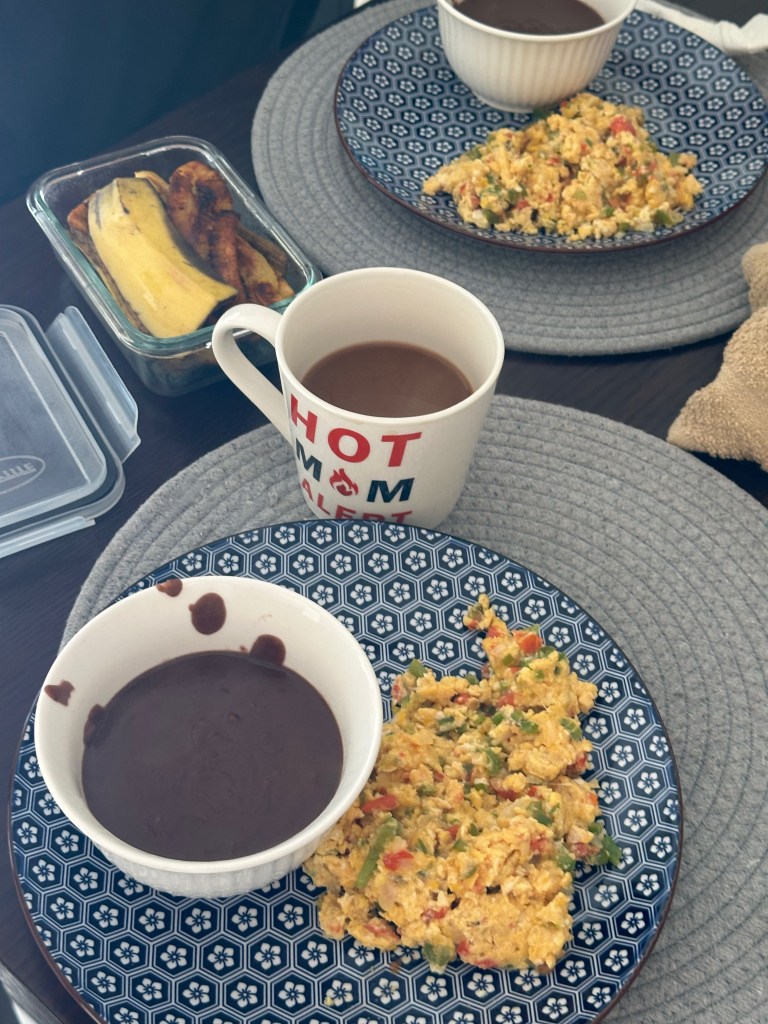
Another morning featured eggs scrambled with onion, tomato, and bell peppers, served alongside freshly fried plantain planks and a small bowl of black beans.
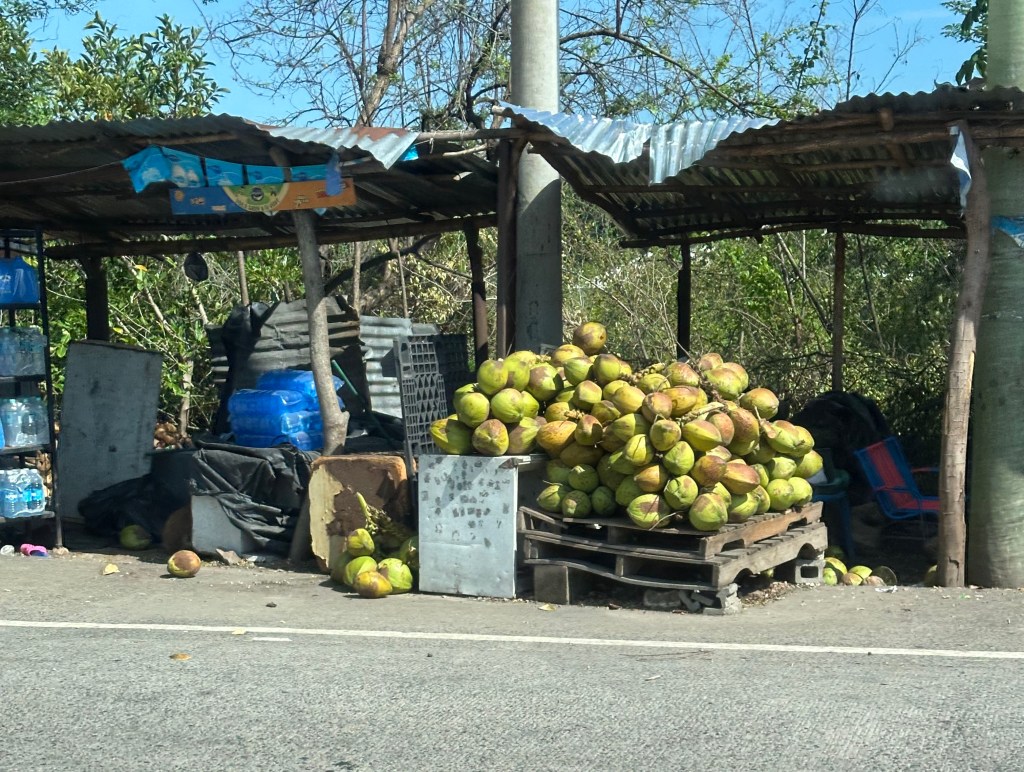
Along the roadsides, vendors sell fresh coconuts, watermelons, mangos, and other tropical fruits harvested nearby. It’s common to see someone machete-open a coconut moments after you’ve pulled over, handing you a drink that couldn’t possibly be fresher.
Of course, the brewed coffee was delightful, but the unexpected surprise was the instant coffee. As someone who openly admits to being a coffee snob, I found it remarkably good cup after cup — rich, smooth, and far more satisfying than the instant coffees of my youth, which often tasted as though someone had waved a coffee bean over a mug of hot water and called it a day. To be fair, this isn’t unique to El Salvador. Instant coffee seems to have undergone a quiet renaissance in recent years, improving so dramatically that I’ve stopped treating it as an emergency substitute and started viewing it as a perfectly respectable way to begin the morning. I’ll reserve this for another blog. Still, enjoying a cup while listening to tropical birds and watching the day begin in El Salvador certainly doesn’t hurt.
One of my favorite unsolved Salvadoran food mysteries was a large, pink, flaky sweet bread, roughly the size of a small pizza, sold by vendors walking the beach. Depending on whom I asked, it was called “Jesus bread,” “pan dulce,” or something else entirely. Like many regional foods, the name seemed to change with the storyteller. Whatever its official identity, they were impossible to miss. The uncertainty itself is part of its charm. Sometimes the most memorable foods are the ones that resist easy categorization. That’s the sort of detail that often says more about a place than a neatly edited recipe ever could.
Maybe that’s what I love most about food: Its way of connecting us and always creating its own kind of community table, even if we’re miles apart. A name, a recipe, a familiar flavor, or a shared meal can make a faraway place feel surprisingly close. Sometimes it’s about the people, the place, and the memories that stay with you long afterward. Maybe not all mysteries need solving.
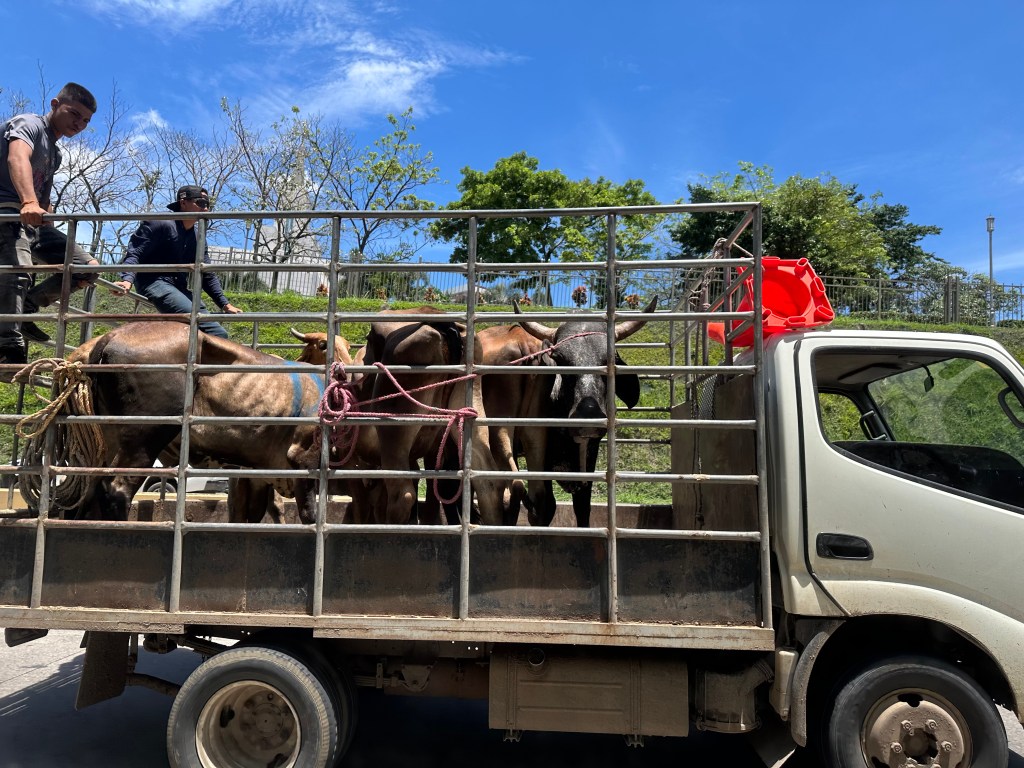
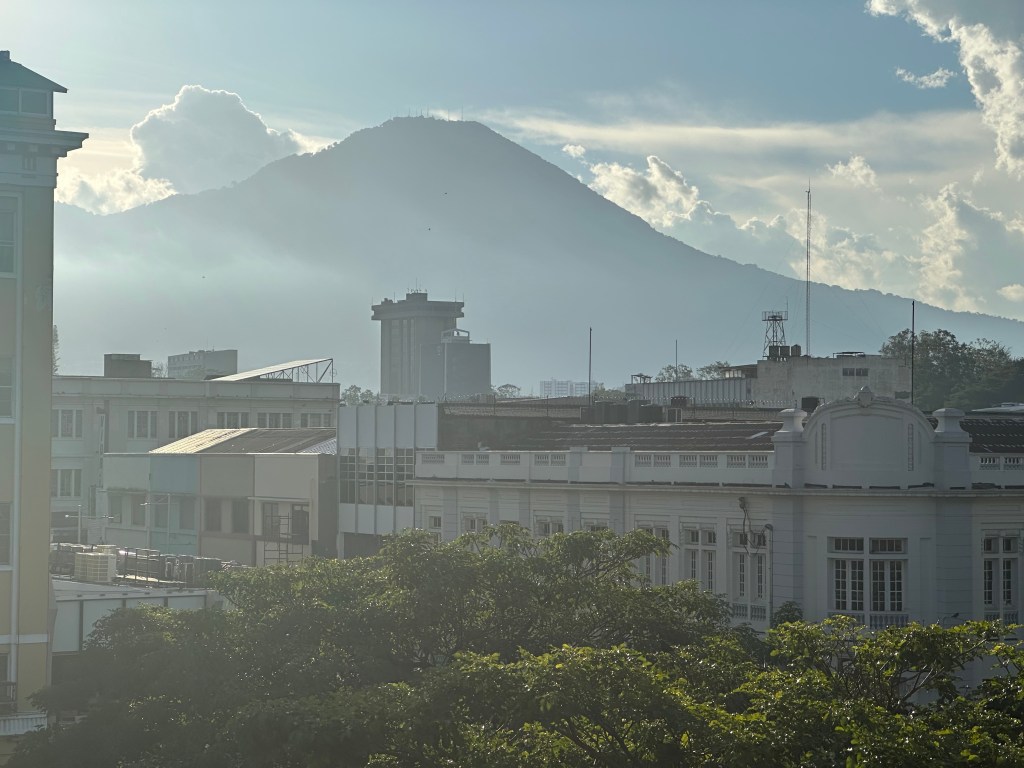
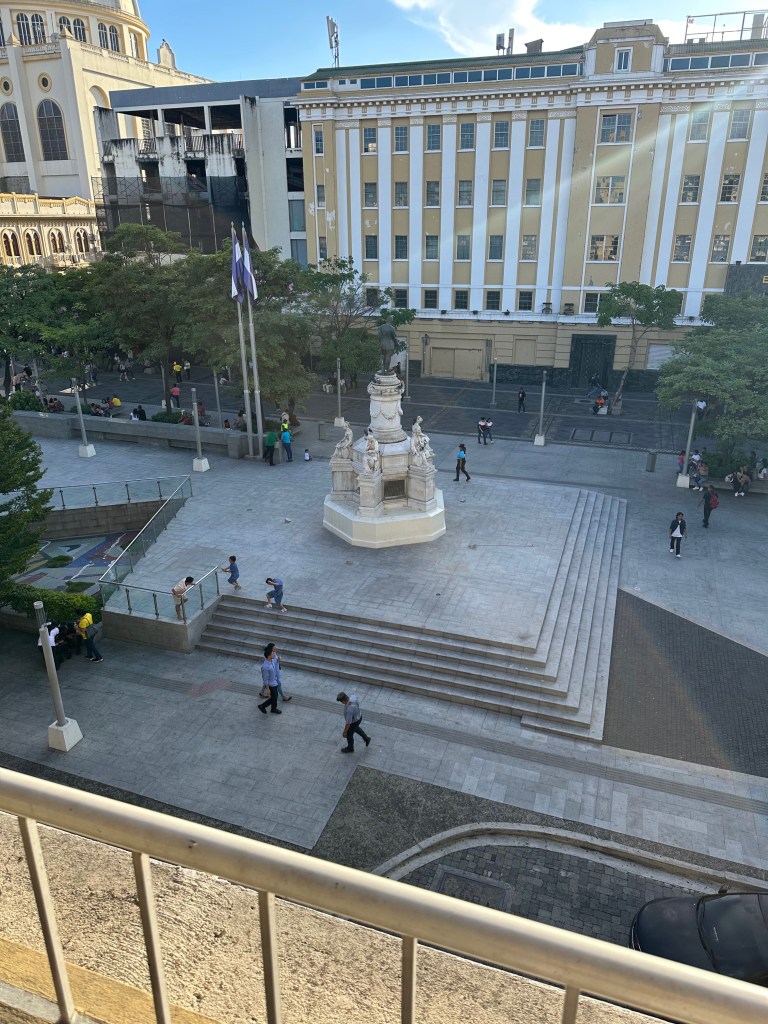
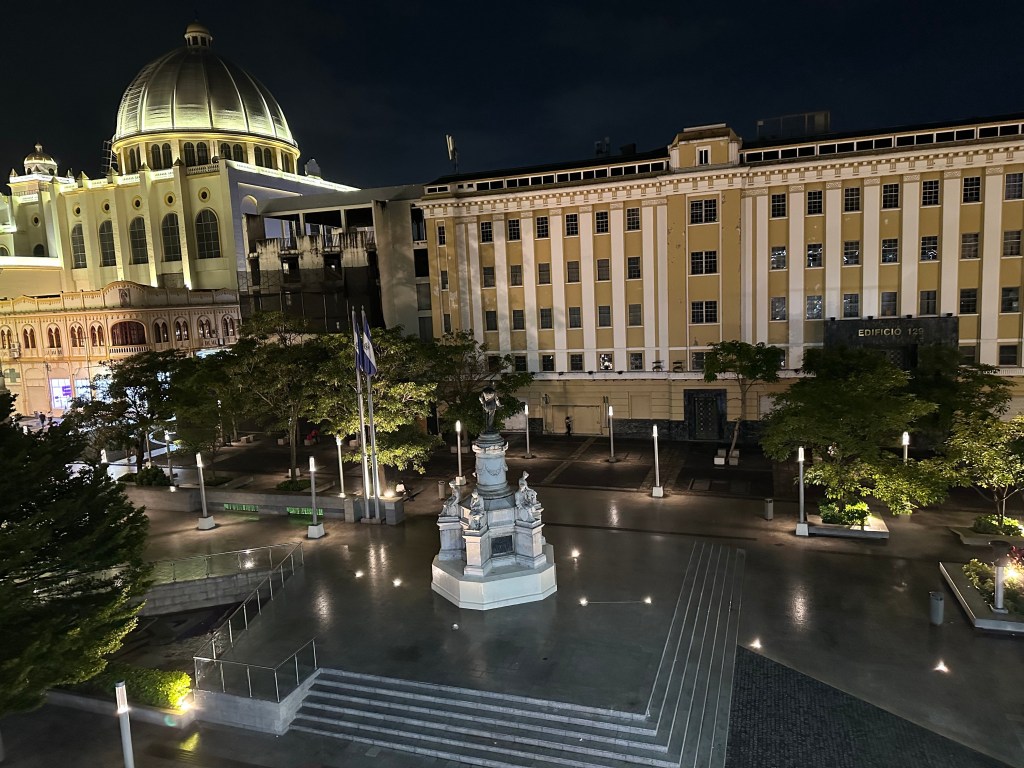
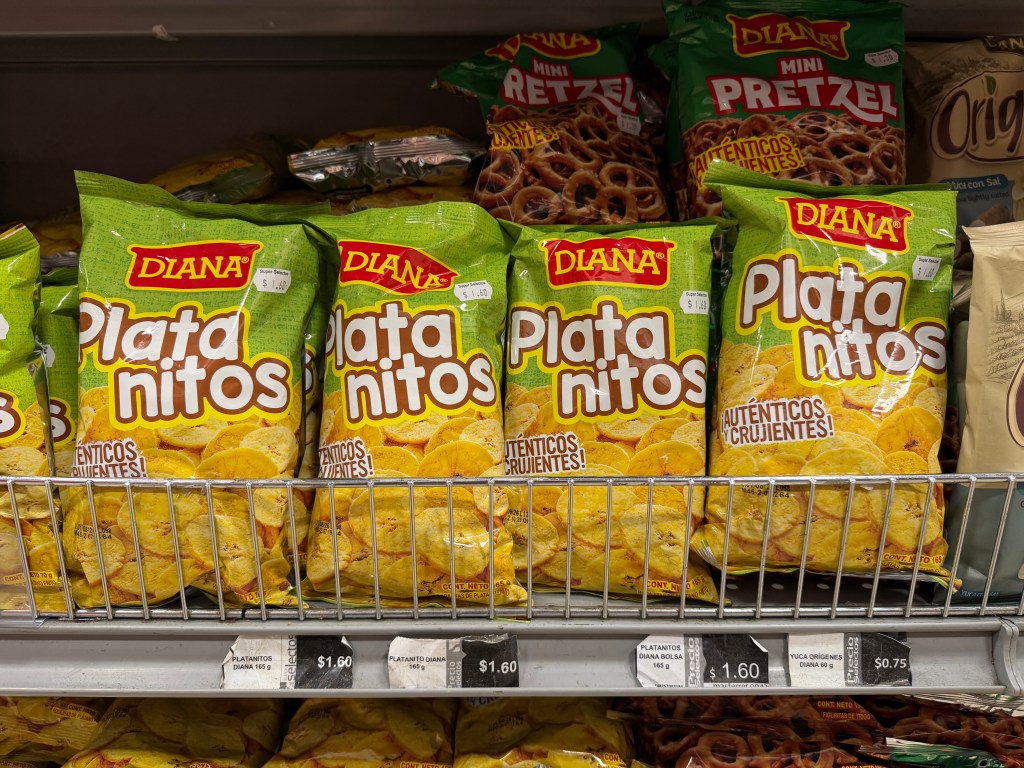
So, with that, I’ll let you enjoy the rest of these local images. They tell their own poignant stories.
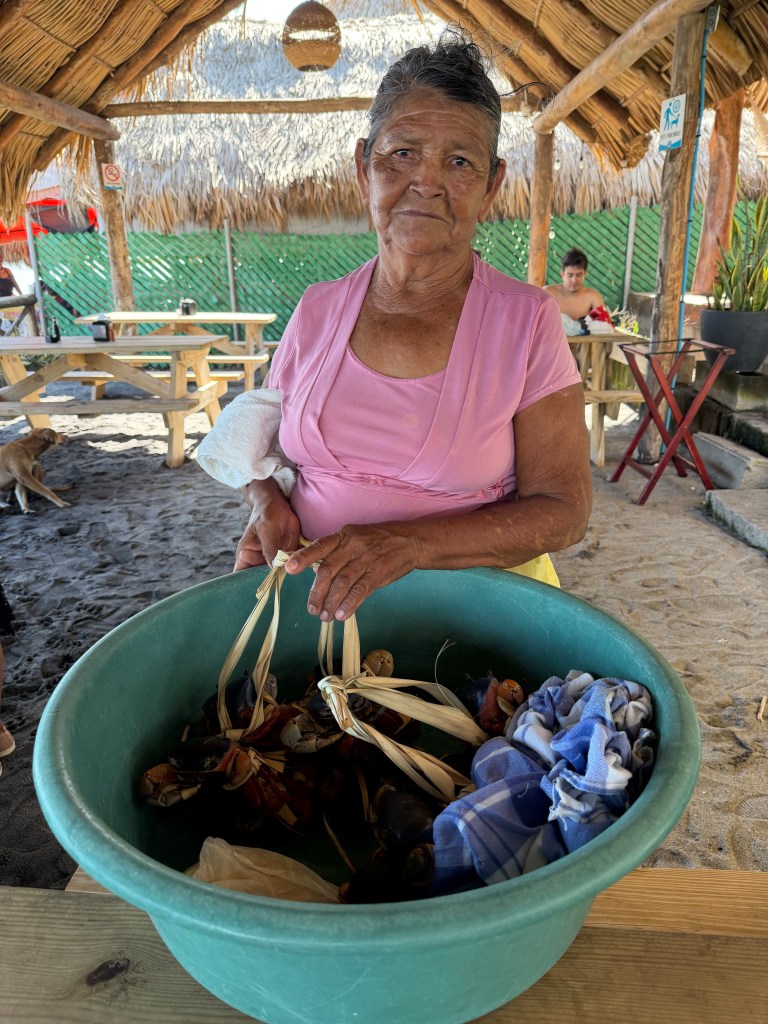
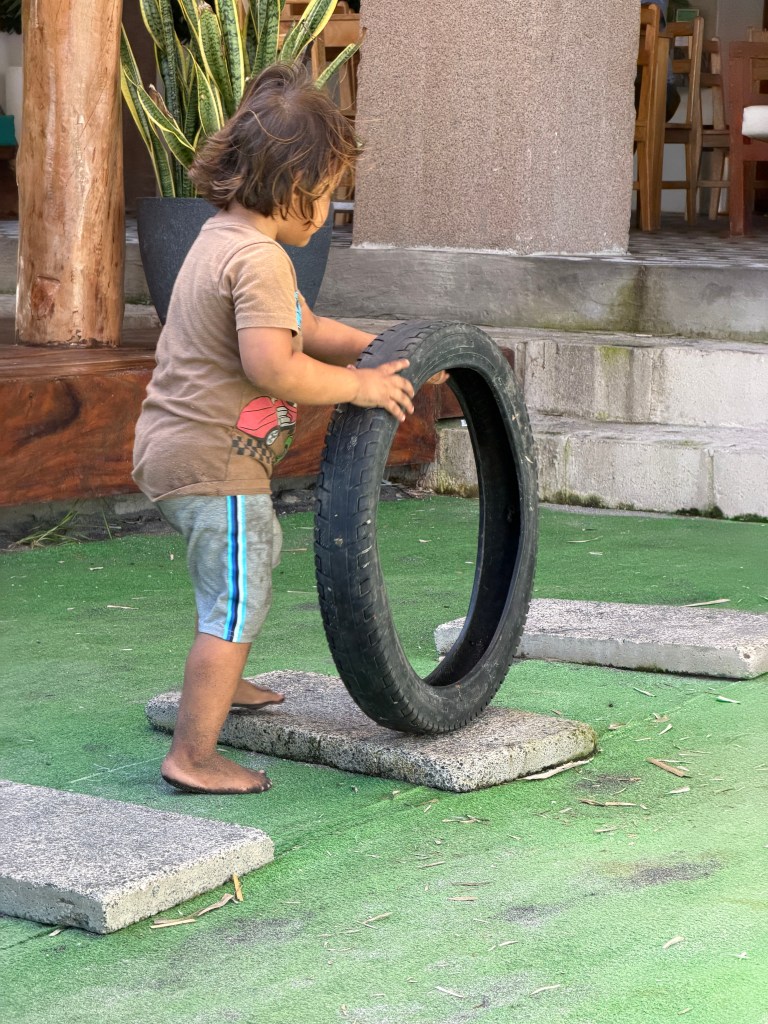




What a trip, Diana! I love the photos, made me feel like I was there for a hot minute. Speaking of hot, nice coffee mug 😉
LikeLike