
After years spent cooking professionally, testing, editing, developing recipes, and teaching people how to cook, I’ve learned a few essential truths: Food isn’t just about what’s on the plate; it’s about how we envision it, our relationship with it, and for some of us (most definitely me), how we struggle with it.
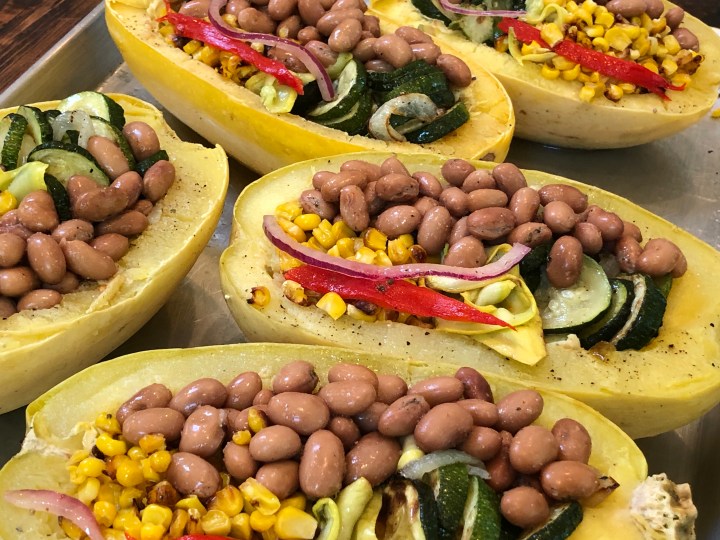
My career has taken me deep into the world of food media. I’ve worked as a chef, senior food editor, recipe tester, and developer for publications like Fine Cooking Magazine, The Spruce Eats, and Allrecipes. I’ve developed recipes for major brands, including Dole, Oatly, Belgioioso Cheese, and Mutti Tomatoes, as well as smaller, craft-driven companies such as Sitka Salmon and Culina Knives. Along the way, I’ve also worked with incredibly talented chefs, translating their professional recipes into instructions that actually work for home cooks.
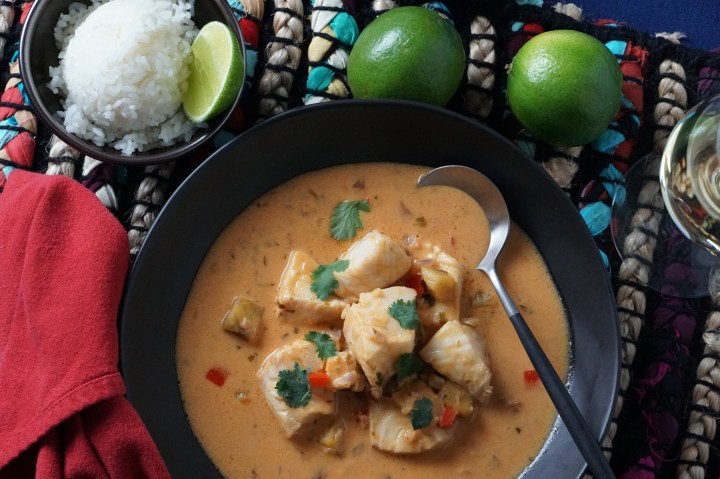
I’m bringing all that experience into sharper focus in 2026. Going forward, my writing will center on three main themes that reflect not only my professional background but also my personal evolution as a cook, food lover, and someone who has spent a surprising amount of time thinking about food rather than simply eating it — especially in this exceptionally noisy culinary environment.
Mindful Eating
My first, and perhaps most meaningful focus, is mindful eating.
Over the years, somewhere between deadlines, tastings, and recipe retests, I drifted away from listening to my body. This was a mistake. Food became something to perfect, evaluate, push through, overdo, or overeat rather than truly experience. Returning to mindful eating has been a gradual, grounding process — one that has helped me reconnect with food in a healthier, more enjoyable way. Learning to notice true hunger, to recognize satisfaction, and to ultimately know when to stop eating has been a major goal and accomplishment of mine over the last few years. I’m not saying that this has been easy, but it’s doable.
Much of this renewed perspective has been inspired by Mindful Eating: A Guide to Rediscovering a Healthy and Joyful Relationship with Food by Jan Chozen Bays, MD. Her work reframes eating not as something to control, but as something to notice: Flavors, textures, emotions, habits, and signals we often ignore in and around our personal relationship with food.
Here on the blog, I’ll be exploring mindful eating through a practical, cook-centric lens; how slowing down in the kitchen and at the dinner table leads to better, more satisfying meals, how honing your attention leads to more joyful eating, and how cooking with intention can support both pleasure and well-being without rigid rules or deprivation.
Developing Flavor
Flavor development has always been at the heart of my work.
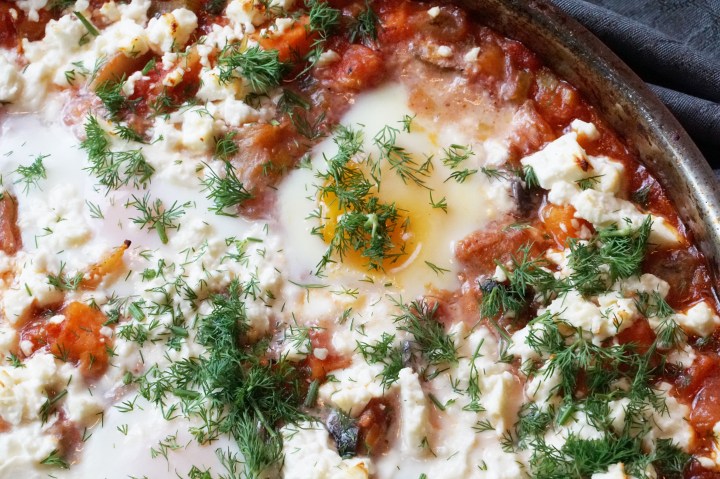
As a certified chef working in food media, I’ve spent years breaking down what makes recipes succeed, and what causes them to fall flat. Often, my role has been to take recipes from notable chefs and adapt them so they’re clearer, more intuitive, and more achievable for home cooks, without losing what makes them special.
In 2026, I’ll be diving deeper into how flavor is built, layering aromatics, understanding balance, choosing the right ingredients and techniques, and knowing when simplicity is more powerful than complexity. This journey isn’t about fancy ingredients or cheffy tricks; it’s about confidence, intention, and learning why something works so you can make it your own.
Kitchen Tips & Tricks
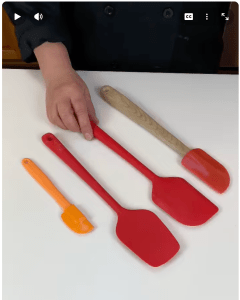
Finally, I’ll be sharing the kind of kitchen tips and tricks that come only from years behind the scenes; something I’ve always had fun with and loved best.
When you test and edit recipes for a living, you develop a sharp eye for friction points — the confusing step, the unnecessary bowl, the instruction that sounds fine on paper but fails in real life. I’ve built my career smoothing those edges, making recipes more forgiving, more efficient, and more enjoyable to cook.
Expect practical advice, smarter prep, better workflow, ingredient swaps that make sense, and small adjustments that make a big difference. These are the quiet skills that turn cooking from stressful to satisfying.
A More Intentional Kitchen
Mindful eating, thoughtful flavor development, and practical kitchen wisdom are deeply connected.
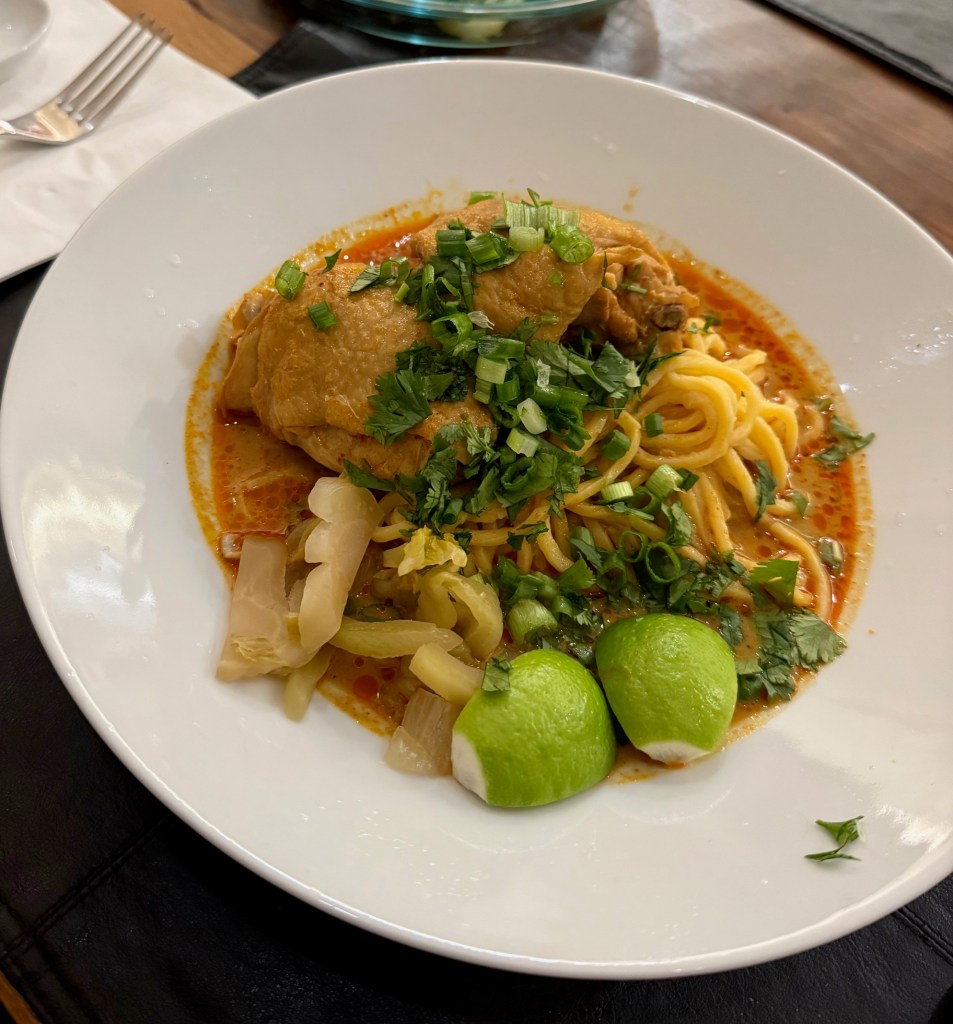
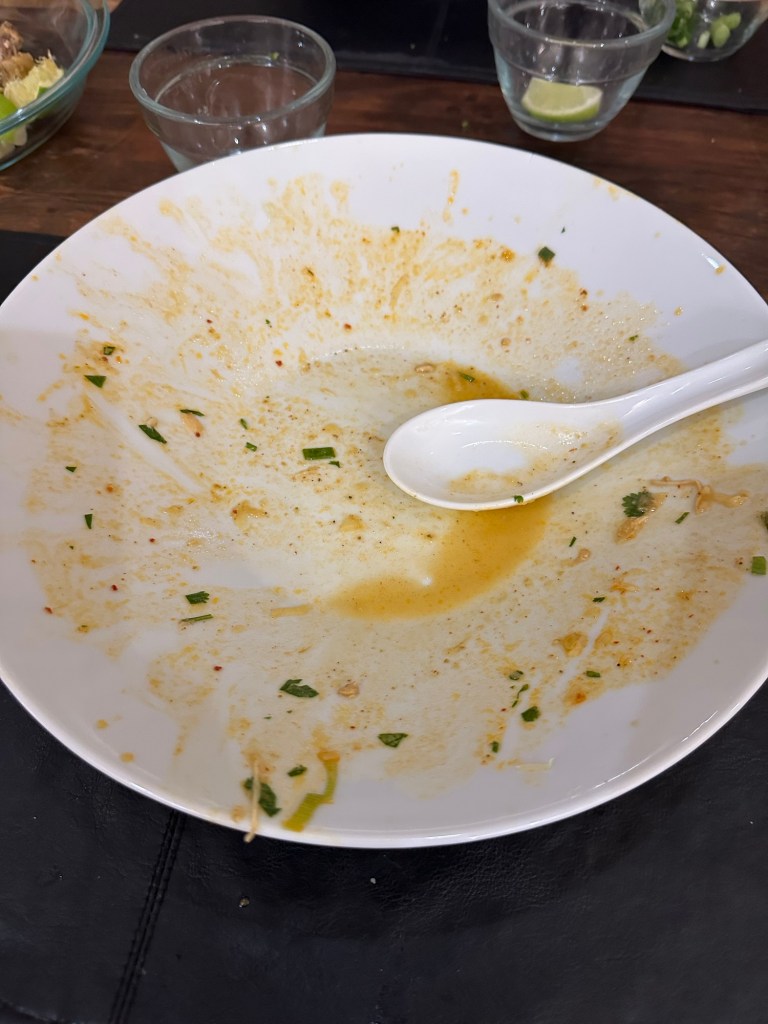
When you pay attention, you cook better. When you understand flavor, you trust yourself more. And when your kitchen feels manageable, food becomes something to savor again.
My goal this year is simple: To help you cook and eat more joyfully and mindfully.
I’m excited to explore all of this with you, one recipe, one technique, and one mindful bite at a time.
—Chef Diana

 Chef Diana Andrews